
 GlobeNewswire
 Pakistan Unveils Rs 18.8 Trillion Budget 2026-27: Tax Relief for Salaried Class, Landmark Exemption for Women's Health Amid Regional Crisis
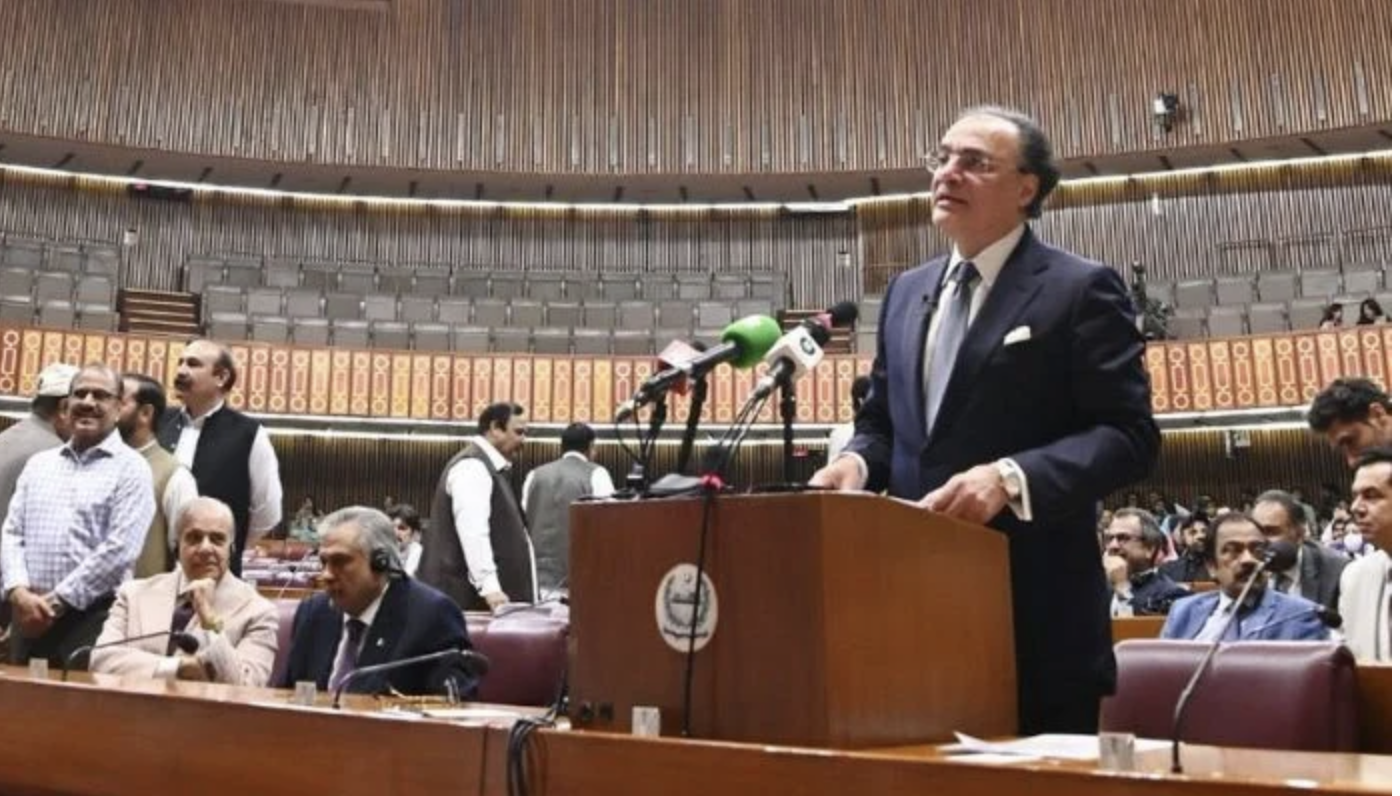
Finance Minister Muhammad Aurangzeb presents federal budget for fiscal year 2026-27 during a National Assembly session
ISLAMABAD, July 22, 2026 (GLOBE NEWSWIRE) -- The Ministry of Information and Broadcasting (MOIB), which serves as the principal government body responsible for disseminating official communications including national budget announcements, issued the following statement today.
Finance Minister Muhammad Aurangzeb unveiled Pakistan's Rs 18.8 trillion federal budget for the fiscal year 2026–2027, which was influenced by global unrest. Earlier this year, the Iran-US war caused disruptions to the world's oil and LNG markets, driving up gas costs and straining a populace already burdened by inflation, a weak rupee, and tight health and education budgets. The final budget increased education investment and public health infrastructure, particularly cancer treatment and tertiary care, nationally, dispelling early concerns that health and education funding would be cut.
Steering Through Compounding Crises
The government cited internal fiscal strain, including debt servicing pressures and GDP growth of 3.7 percent, below target, as the backdrop for this budget in addition to the energy shock. Even as people paid more for fuel and utilities, officials characterised the year's diplomatic role in reducing regional tensions and new defence cooperation agreements as crucial to rebuilding investor confidence.
Taxation: Broad Relief, Sharper Enforcement
In addition to a 7% hike in salaries and pensions and a 10% increase in the minimum wage, the budget proposes income tax relief across four salaried-class slabs, lowering rates for individuals earning between Rs 600,000 and Rs 4.1 million annually by two to five points. The high-income earner surcharge is eliminated. The export surcharge and super tax burden have been reduced for exporters, and a new National Faceless Centre and algorithmic tax-settlement system are intended to reduce discretionary contact between taxpayers and officers.
Budget for Dignity: A Tax Cut That Empowers Women
One budget line deserves more attention: the administration removed the GST on contraceptive and menstrual hygiene products, which were formerly subject to the same 18% tax as other consumer goods. As part of the larger "pink tax" that women have long paid on health necessities, family planning and basic menstrual health items were formerly subject to the same tax burden as non-essentials. Whether something becomes available for a woman, a student, or a household already managing too many basic necessities can be determined by a tax exemption. This adjustment eliminates one financial barrier for a woman managing her health with dignity or a couple debating whether they can afford contraception.
Agriculture: Rebuilding the Economy's Backbone
A new Rs 7.1 billion Agri Storage Financing Facility to increase grain storage capacity for farmers, easier access to credit through interest-free digital loan schemes for smallholders, and ongoing rollout of electrification and rural livelihood programmes are all part of the budget's emphasis on agriculture as a growth priority.
Looking Ahead
The budget, which was developed through consultation with coalition partners, opposition input, and business community feedback, is described by the government as a foundation for stability rather than a completed journey with the goal of providing relief and growth to every household, farmer, and young worker nationwide.